
First Reading: Ezekiel 18.25-28
Responsorial Psalm: Ps 25.4-5a, 6+7b, 8-9 (R.6)
Responsorial Psalm: Ps 25.4-5a, 6+7b, 8-9 (R.6)
Second Reading: Philippians 2.1-5
Gospel: Matthew 21.28-32
Do nothing from selfish ambition or conceit, but in humility regard others as better than yourselves.
National Day for Truth & Reconciliation Sept. 30th
There will be 9 am Mass, but the church will be closed after Mass.
The office will be closed all day.
Come and See, it is the Lord
The Heart of Jesus Holy Hour
Special event starting this week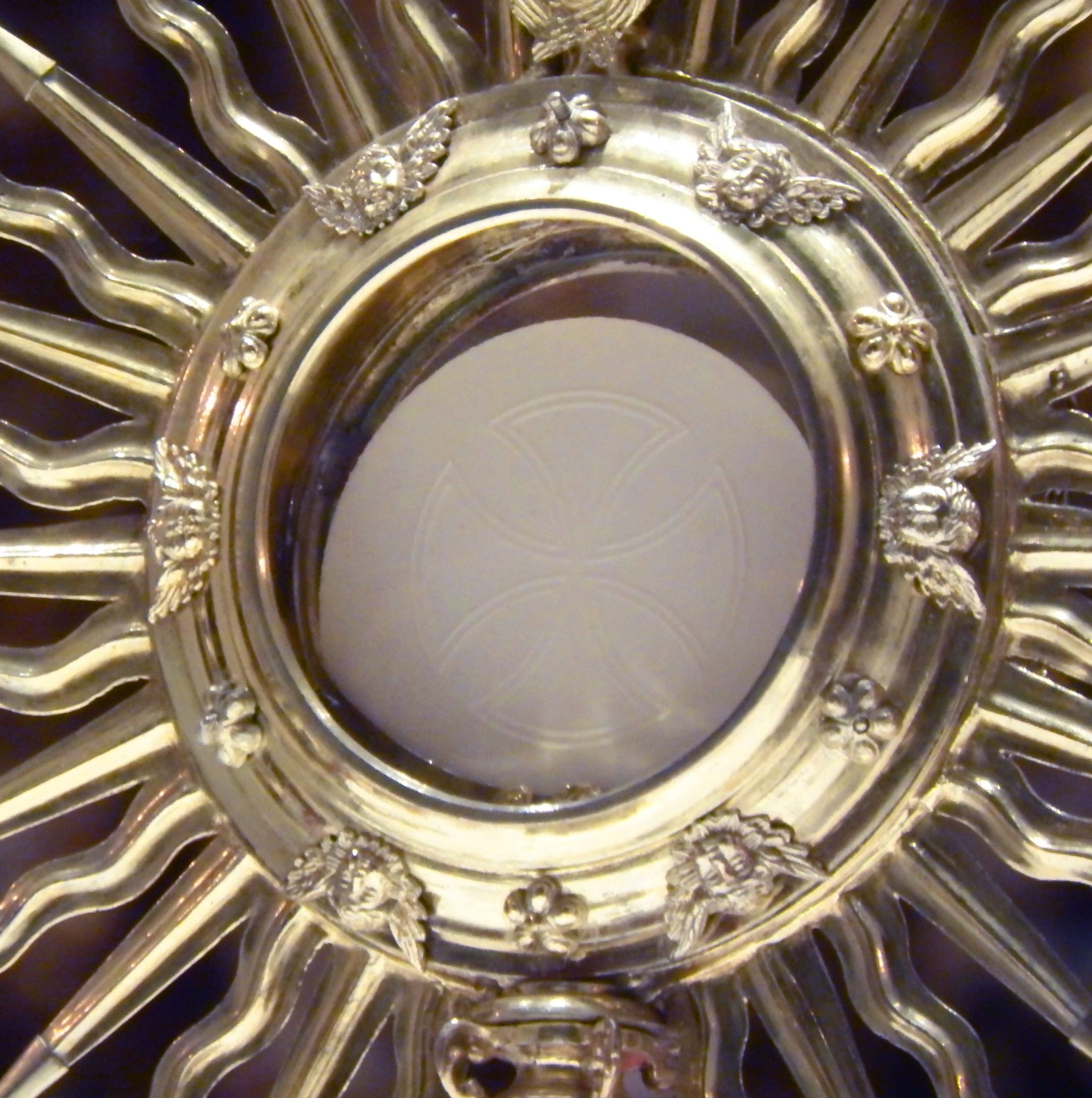
Come and See Holy Hour
Fri. Oct. 2nd
7 pm
St. Patrick's Roman Catholic Church
This special time of Eucharistic Adoration offers a beautiful opportunity to step away from the busyness of daily life and spend quiet, intentional time in the true presence of our Lord. Whether you wish to bring your personal intentions, pray for our parish family, or simply rest in His peace, all are warmly welcome to attend.
Society of St. Vincent de Paul
No act of charity is foreign to the society
Faith is action, and our parish community continues to show incredible generosity to those facing difficult times in our own backyard. So far in 2026, the St. Patrick’s Society of Saint Vincent de Paul (SSVP) has been blessed to accompany and support our neighbours through the following efforts:
- Nourishing Families: Delivered 243 food hampers, providing vital groceries and household essentials to 168 different households.
- Keeping the Lights On: Provided emergency financial assistance to 10 households to cover critical rent and utility shortfalls.
- Connecting the Community: Distributed transit tickets and gasoline gift cards to numerous households, ensuring our neighbours can get to work, medical appointments, and school.
These numbers represent real people—our brothers and sisters in the St. Patrick’s neighbourhood finding hope because of your support. A donation of any size makes a profound, immediate impact right here at home. Please consider supporting this vital mission today so we can continue to serve Christ in those most in need.
Behind every one of these statistics is a brother or sister in Christ who received a helping hand when they needed it most. Your generosity changes lives directly within our St. Patrick’s community. A donation of any size makes a lasting impact on our neighbours. Please consider giving to the SSVP today.
Sacramental Preparation
Registration deadline extended - last chance to signed up is Oct 1!


Ephphatha - Be Opened

We can probably understand why the first son answers, "No," when his father asks him to work in the vineyard. Before saying yes to God, we often stop and count the cost. What am I going to have to give up? How will this affect my plans, my comfort, or my sense of control? Sometimes we are simply not interested. Sometimes we resent being asked.
Yet there is something honest about his response. He does not hide behind polite words or pretend to be ready when he is not. In some ways, he resembles the tax collectors and prostitutes whom Jesus mentions. Their lives had often been far from God, and many would have seemed unlikely candidates for conversion. Yet when John the Baptist called them to repentance, many listened. They allowed themselves to be challenged and, in time, changed direction.
What happened between the son's refusal and his journey to the vineyard may resemble our own journey. Perhaps prayer sometimes begins this way, not with certainty or enthusiasm, but with resistance. We bring before God the things we would rather avoid: our fears, frustrations, doubts, and unanswered questions. As we learn to listen as much as we speak, our hearts can soften. What once felt like a burden may begin to look like an invitation.
The second son gives the answer everyone hopes to hear: "Yes, sir." His response is immediate, respectful, and admirable. He resembles the religious leaders who knew the Scriptures and spoke confidently about God's will. Yet his "yes" never leaves his lips and never becomes action.
Perhaps the real question is whether we are willing to loosen our grip on our own preferences and let God transform our hearts.
PONDER IN GOD’S PRESENCE:
“The principal effect of love is to unite the wills of those who love each other as to make them will the same things.”
Upcoming Parish Events
Legion of Mary
Mon. Sept. 28th
7 pm
St. Patrick's Parish Hall
The Legion of Mary meets every week and invites any parishioners who are interested in joining their organization to attend an upcoming meeting.

Seniors Group
Wed. Sept. 30th
1 pm to 3 pm
St. Patrick's Parish Hall
St. Patrick's Senior's group is inviting new members to join them for playing card games (Bridge, Cribbage, Canasta) and fellowship. No registration required.
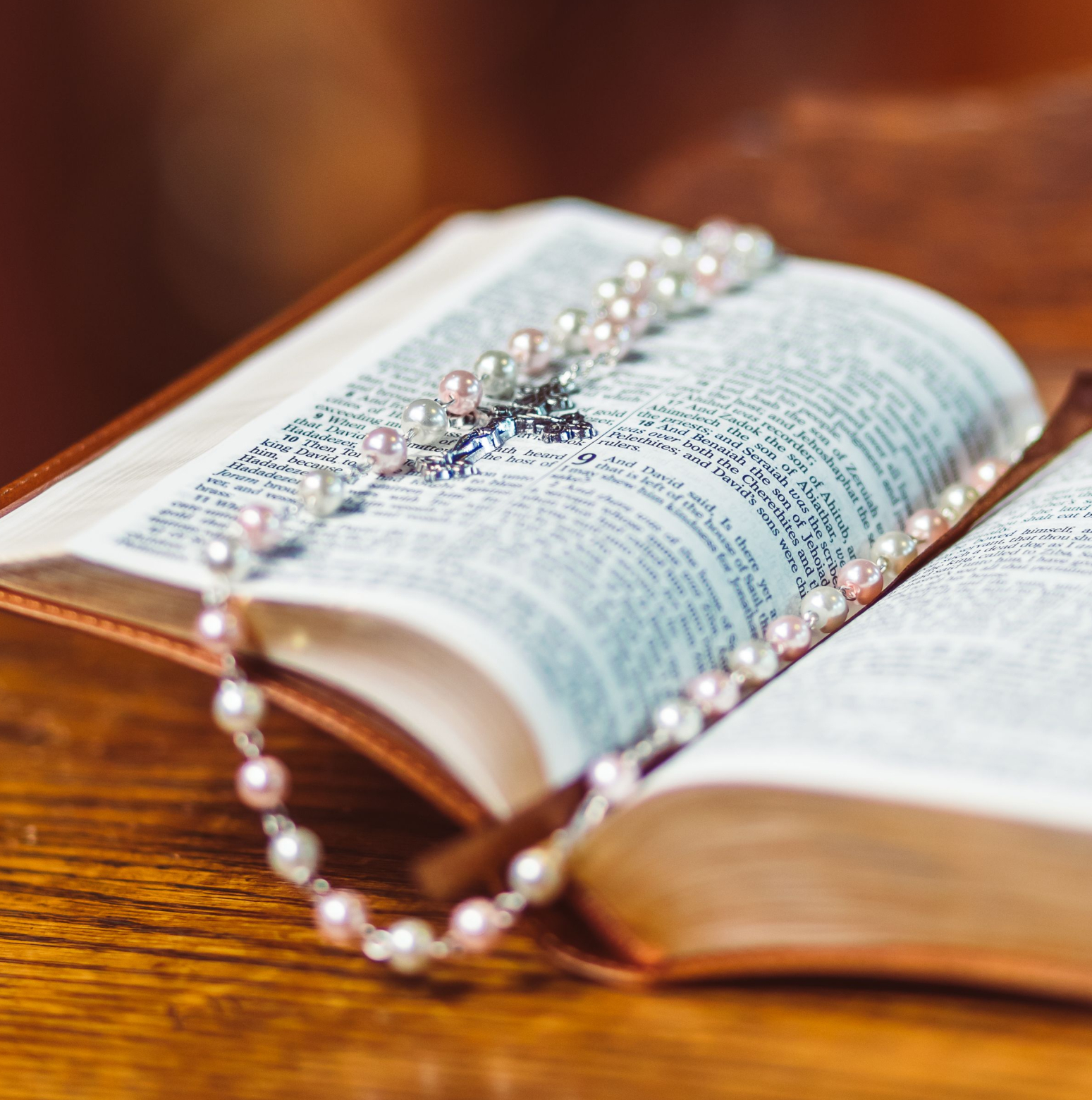
Scripture Study Group
Thu. Oct. 1st
9:45 am (after Mass)
St. Patrick's Parish Hall
Each week's study is based on Sunday’s Mass readings and includes commentaries, meditation, faith sharing, reflective questions, and prayer. No Scripture study experience is necessary and no homework is involved. There's also snacks!
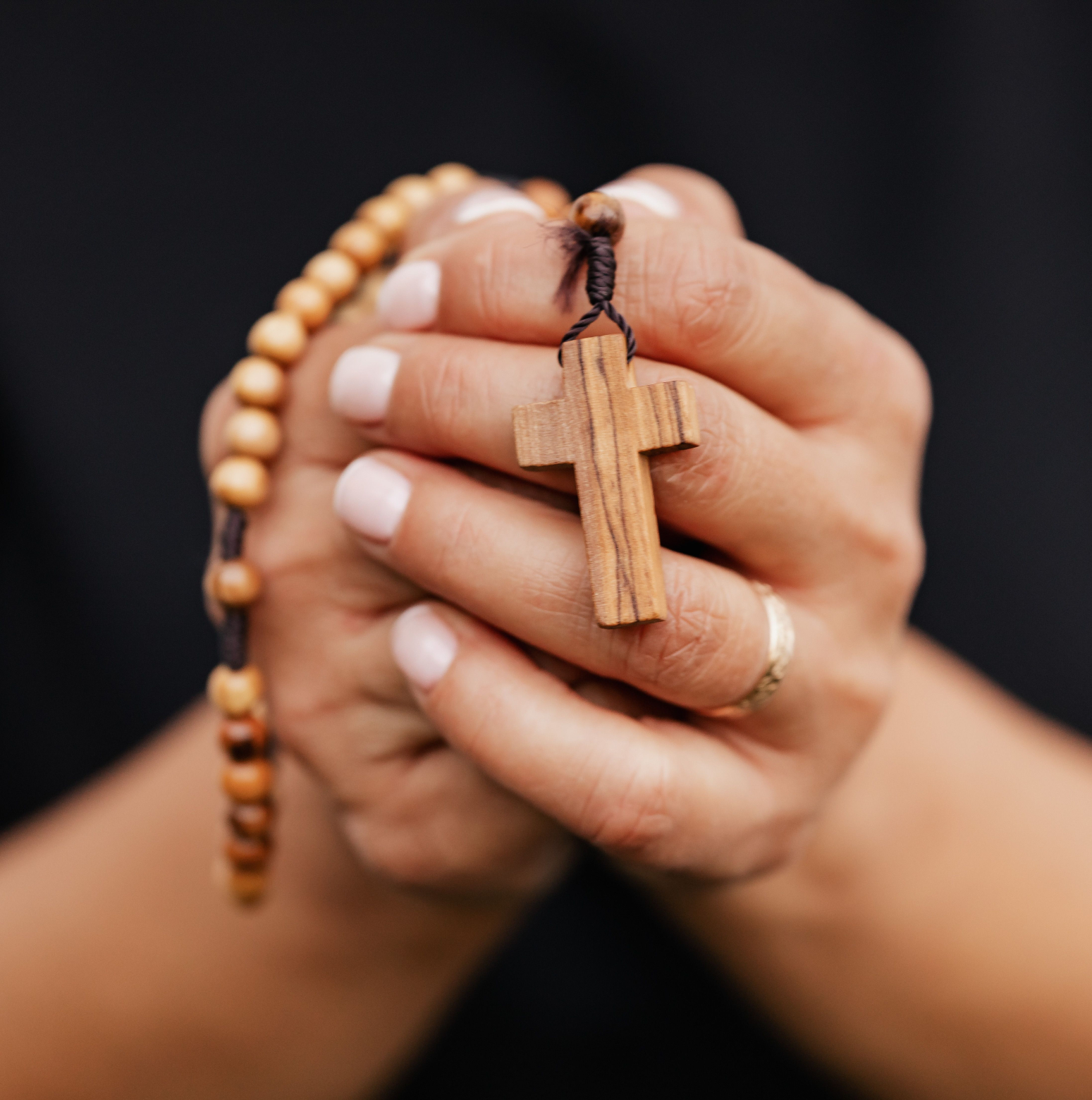
Rosary Rally
Sat. Oct. 10th
Noon
South side of Church along street
The Legion of Mary invites all parish members to their Rosary Rally. This rally is part of the Canada-wide Rosary Rallies coordinated through Canada Needs Our Lady Organization.
Attendees will recite the rosary along the south side of the church on Shawnessy Blvd.
Coffee, hot chocolate and treats will be provided for participants.
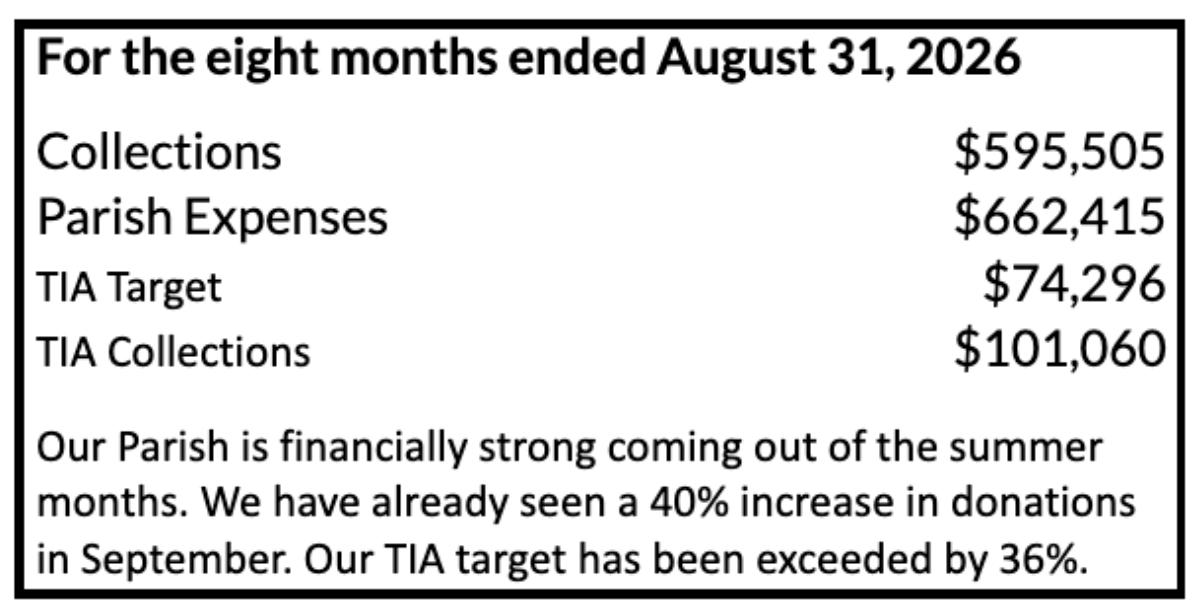
Finance Council News
Become a Lector
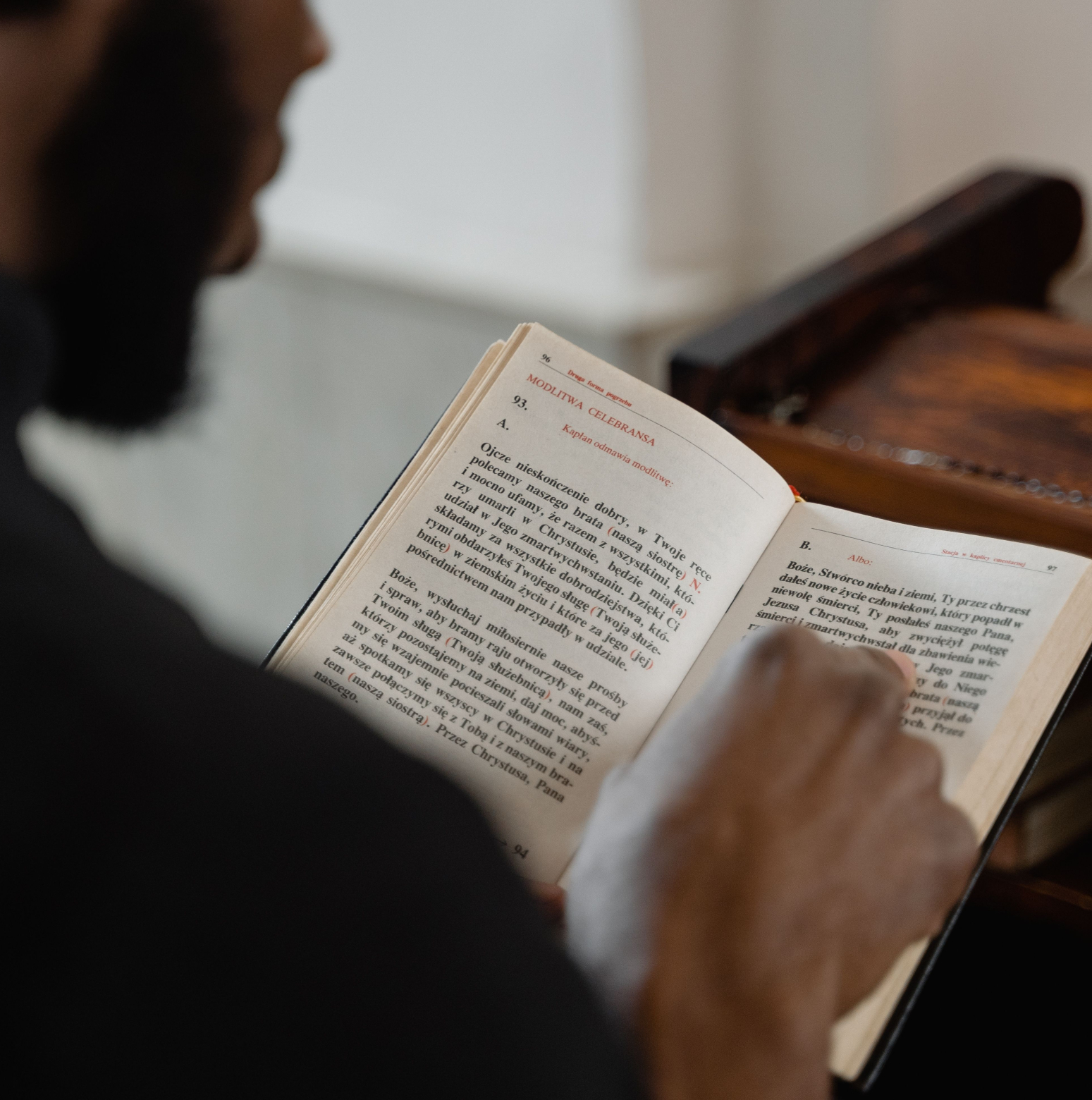
We are looking for new lectors to serve at the 4 PM Mass.
No experience is necessary—training will be provided. All you need is a willing heart and a desire to serve! Come and be part of this meaningful ministry.
For more information, please contact Agnes Pono at 403-850-8146 or ponoagnes55@gmail.com
Please note: A screening process is mandatory for all volunteers and must be completed before you begin volunteering.
Children's Corner
Youth Ministry
Grades 6-8 and 9-12

Ablaze Family Ministry for Grades 6-8 and Grades 9-12 is offered Friday evenings from 6:30-9 pm at St. Bonaventure Parish.
For more information please contact Eileen Murdoch at (403) 278-7556 or youthfamily@stbonaventureparish.ca
For more information please contact Eileen Murdoch at (403) 278-7556 or youthfamily@stbonaventureparish.ca
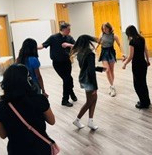
At Ablaze this week we celebrate the Beatification of Archbishop Fulton J. Sheen — a significant step on the journey toward sainthood. Blessed Fulton J. Sheen was a beloved Catholic archbishop, author, & gifted evangelist whose teaching brought the message of Christ to millions through television, radio, and the written word as a priest from 1919 until his death in 1979. In honour of this joyful occasion, we reflect on his powerful words, that are at the heart of Ablaze Family Ministries, "Life is worth living.”
St. Francis Xavier Chaplaincy
For young adults 18-35 in the Diocese of Calgary
Wed. Sept. 30th 5:30 pm, Women's Talk w/ Fr. Troy & Men's Talk w/ Fr. David
Wed. Sept. 30th 7 pm SFXC Mass, Adoration & Confession, St. Mary's Cathedral
Wed. Sept. 30th 8:30 pm Wing Night, St. James Corner Restaurant & Pub
Thu. Oct. 1 10 am Mom's Group, WhatsApp
Thu. Oct. 1 7 pm Young Professionals, St. Mary's Cathedral
Fri. Oct 2 First Friday Devotions, St. Mary's Cathedral
Sat. Oct. 3 Rosary Concert, St. Mary's Cathedral
To learn more about St. Francis Xavier Chaplaincy or to see a list of upcoming events visit their website at sfxc.ca
Events in Our Community

Fall Trunk Sale
Sat. Sept. 26th
10 am to 3 pm
St. Bonaventure Parish
1600 Acadia Drive SE
Local crafters and vendors will be setup at St. Bonaventure inside and in the parking lot selling locally made items. Fall finds abound with handmade unique items and more!
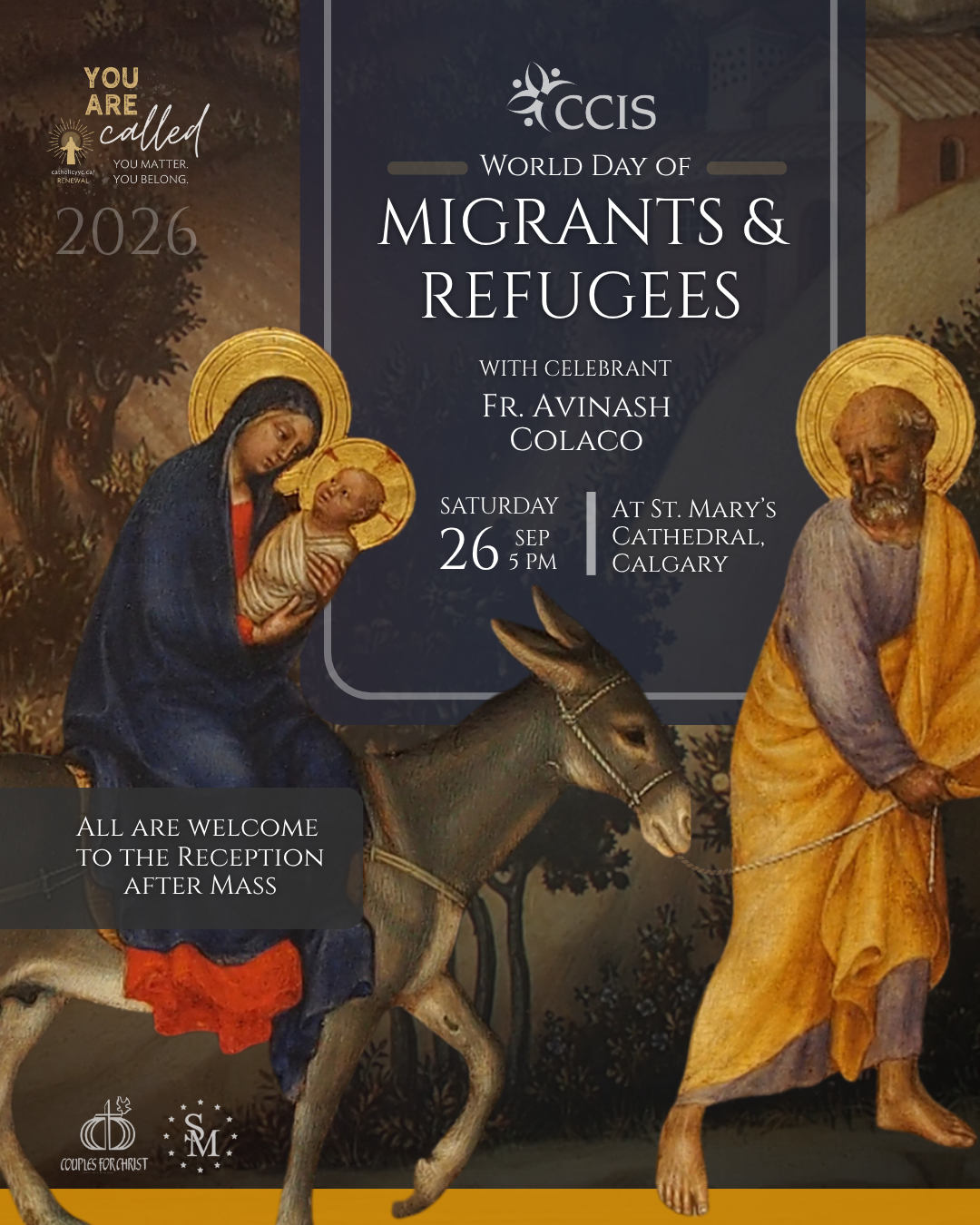
World Day of Migrants & Refugees
Sat. Sept. 26th
5 pm
St. Mary's Cathedral
219 18 Ave. SW
Join us as we come together in prayer and solidarity to celebrate the gifts and contributions of migrants and refugees in our community. Mass will be followed by a reception, and all are welcome!
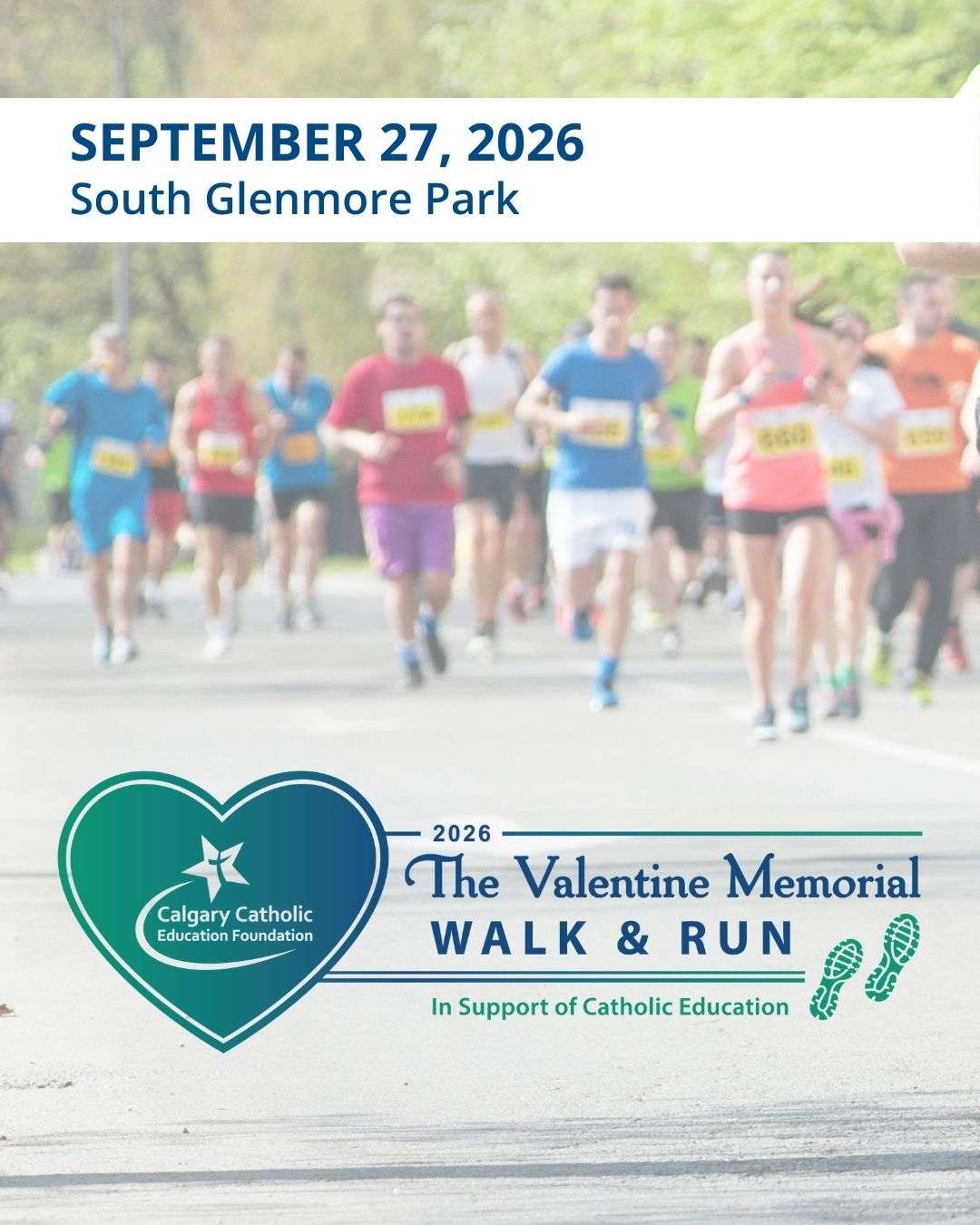
The Valentine Memorial Walk & Run
Sun. Sept. 27th
South Glenmore Park
The CCEF Valentine Memorial Walk/Run is this Sunday!
Join the Calgary Catholic Education Foundation and our Catholic community as we walk and run in support of our schools and students. Participate with your family, support a fundraiser or help raise funds for the Calgary Catholic school closest to your heart.
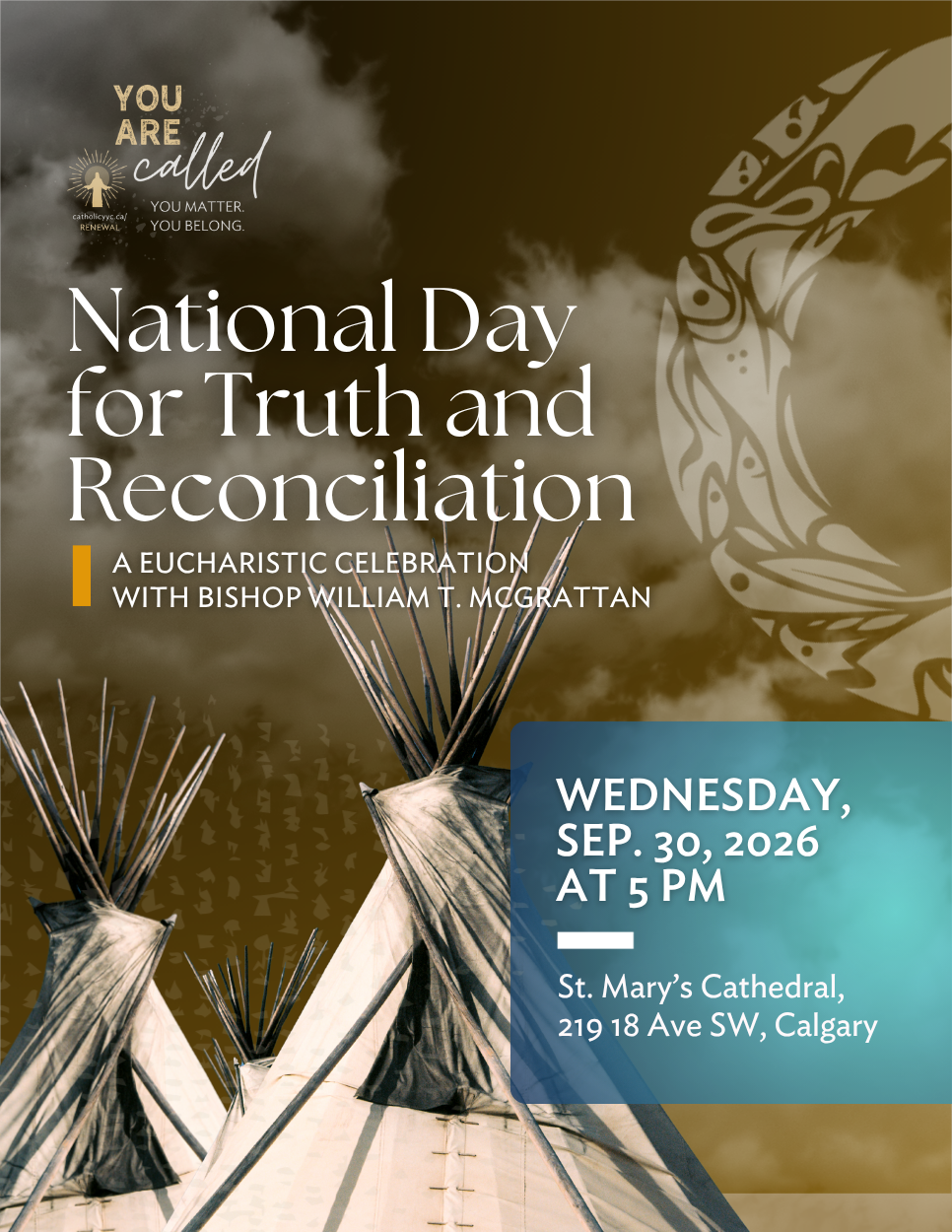
National Day for Truth and Reconciliation
Wed. Sept. 30th
5 pm
St. Mary's Cathedral
219 18 Ave SW
219 18 Ave SW
Join us for a Eucharistic Celebration with Bishop William T. McGrattan, Wed, Sep 30, 2026, at 5 pm at St. Mary's Cathedral, on National Day of Truth and Reconciliation
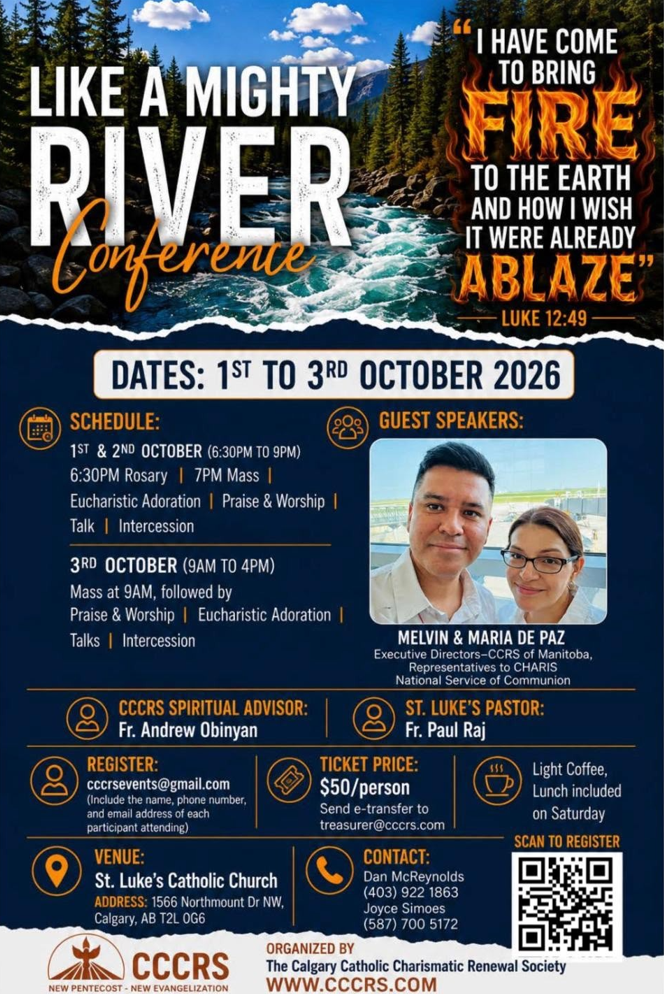
Like A Mighty River Conference
Oct. 1st - 3rd
St. Luke's Catholic Church
1556 Northmount Drive NW
Tickets are $50/person
The event is organized by The Calgary Catholic Charismatic Renewal Society. For more information contact Dan McReynolds at 403-922-1863 or Joyce Simoes at 587-700-5172 or send an email to cccrsevents@gmail.com
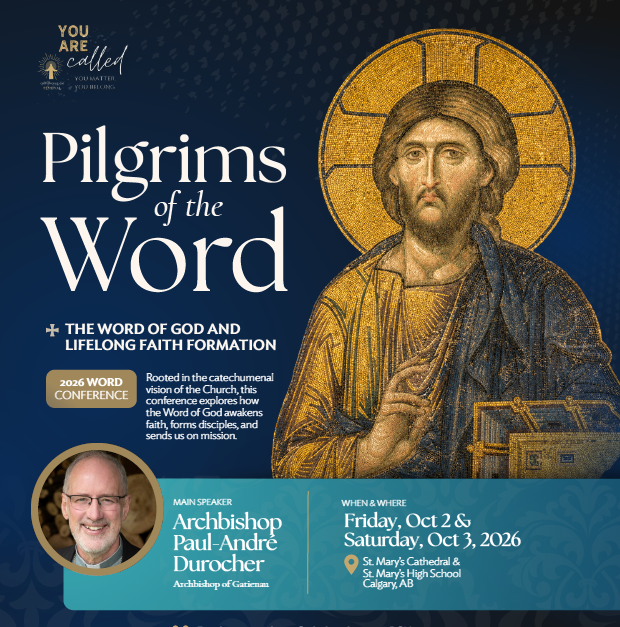
Pilgrims of the Word Conference
Oct. 2 & 3
- Childhood formation (0-10)
- Adolescence and youth (11-17)
- Young adulthood (18-40)
- Adults & Seniors (ages 40+)
- Special Circumstances
- Formation for Renewed RCIA
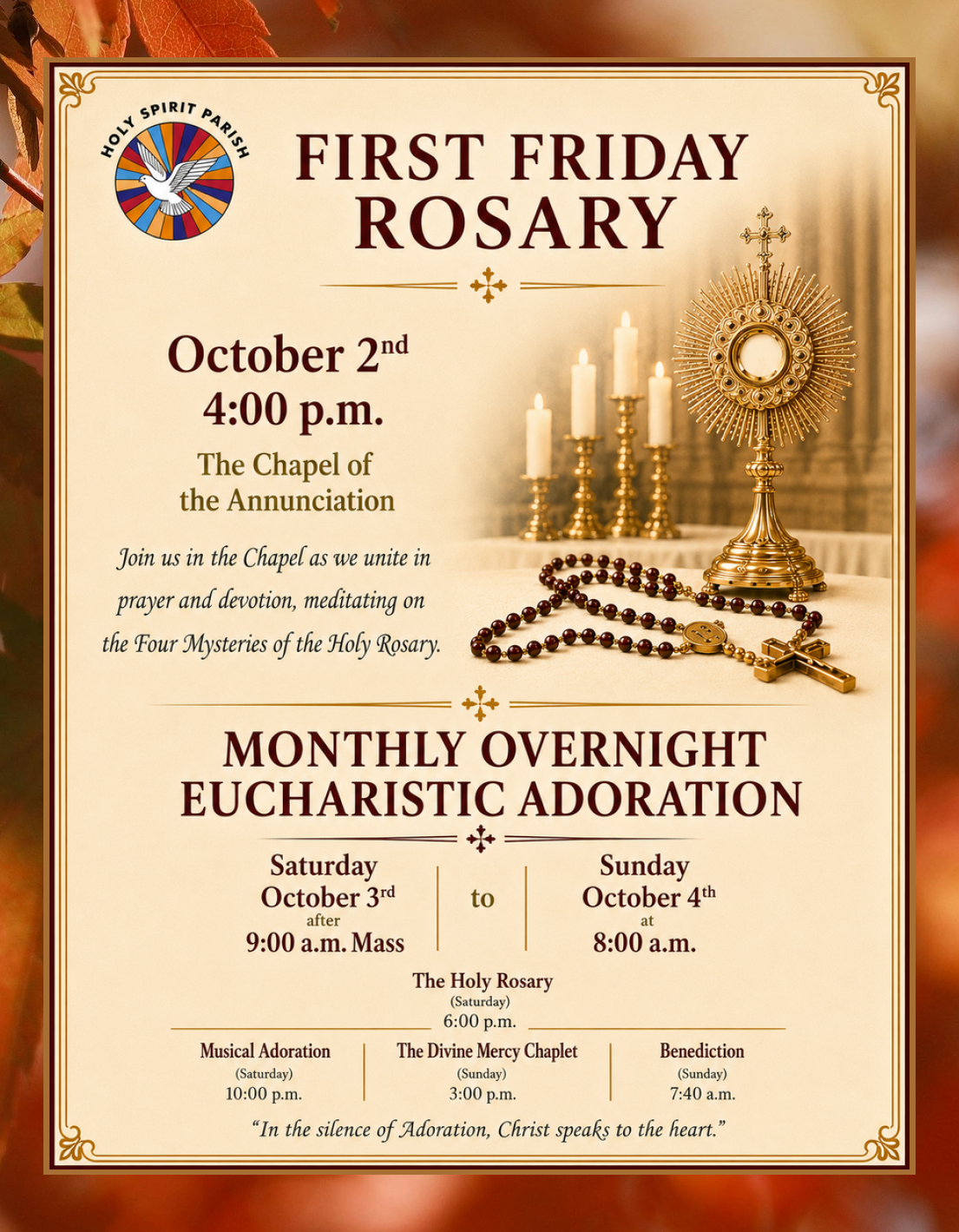
Overnight Adoration
Sat. Oct. 3 to Sun. Oct. 4
9 am to 8 am
Holy Spirit Parish
10827 24 St SW
Join Holy Spirit Parish for their monthly overnight eucharistic adoration.
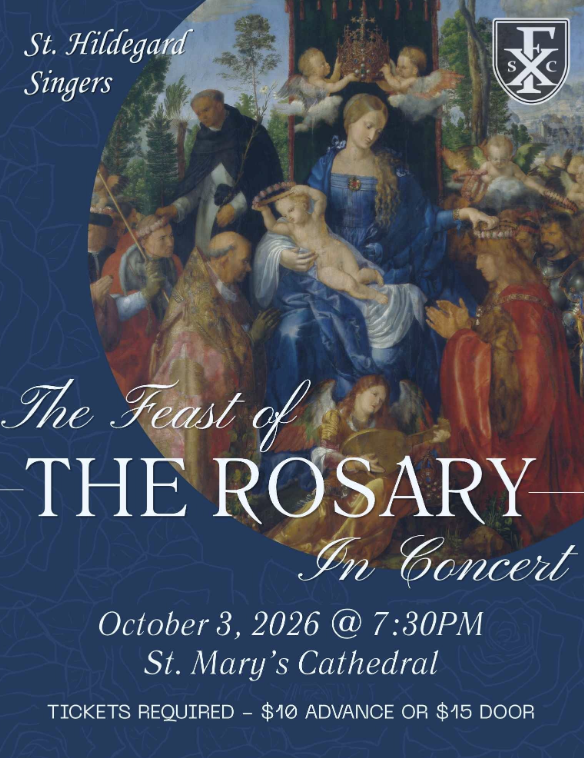
The Feast of the Rosary in Concert
Sat. Oct. 3rd
7:30 pm
St. Mary's Cathedral
219 18 Ave SW
Tickets are $10/person
Join SFXC's St. Hildegard Singers for The Feast of the Rosary in Concert, an evening of sacred music at St. Mary’s Cathedral.
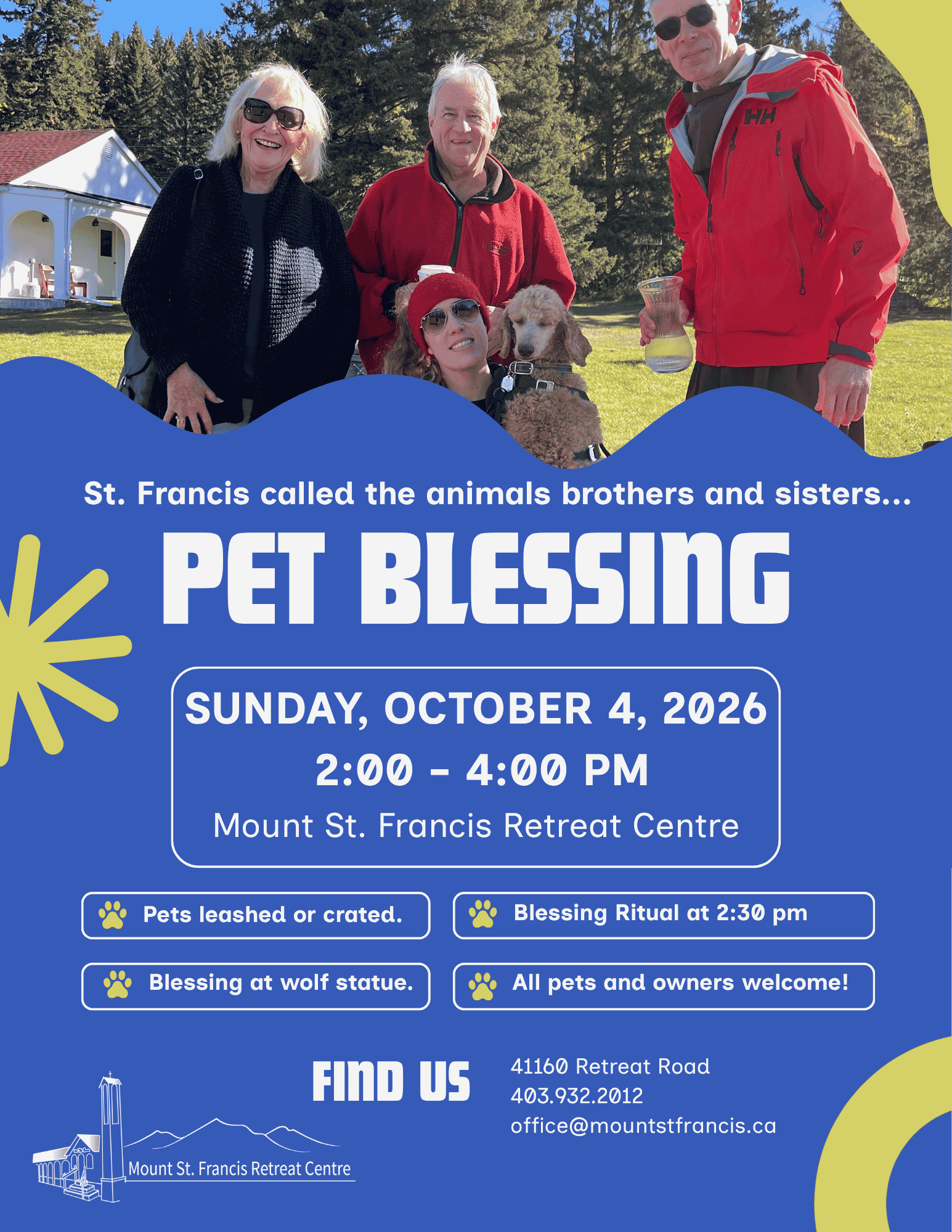
Pet Blessing
Sun. Oct. 4th 2-4 pm
Mount St. Francis Retreat Centre,
41160 Retreat Rd. Cochrane, AB
Pets must be leashed or crated, all pets and owners are welcome. Blessing ritual will start at 2:30 pm. For more information contact office@mountstfrancis.ca
Blessed Archbishop Fulton Sheen
Beatification was Sept. 24th
On Thursday, September 24, the Catholic Church celebrated a historic milestone with the beatification of Archbishop Fulton J. Sheen . Widely remembered as one of the 20th century’s greatest Catholic communicators, Blessed Fulton Sheen was a pioneering evangelist who brought the Gospel into millions of living rooms through his Emmy-winning television program, Life is Worth Living.
To experience the joy and magnitude of this week's celebration, we highly encourage you to watch a special EWTN News report capturing the event.
To experience the joy and magnitude of this week's celebration, we highly encourage you to watch a special EWTN News report capturing the event.
Diocese of Calgary Updates
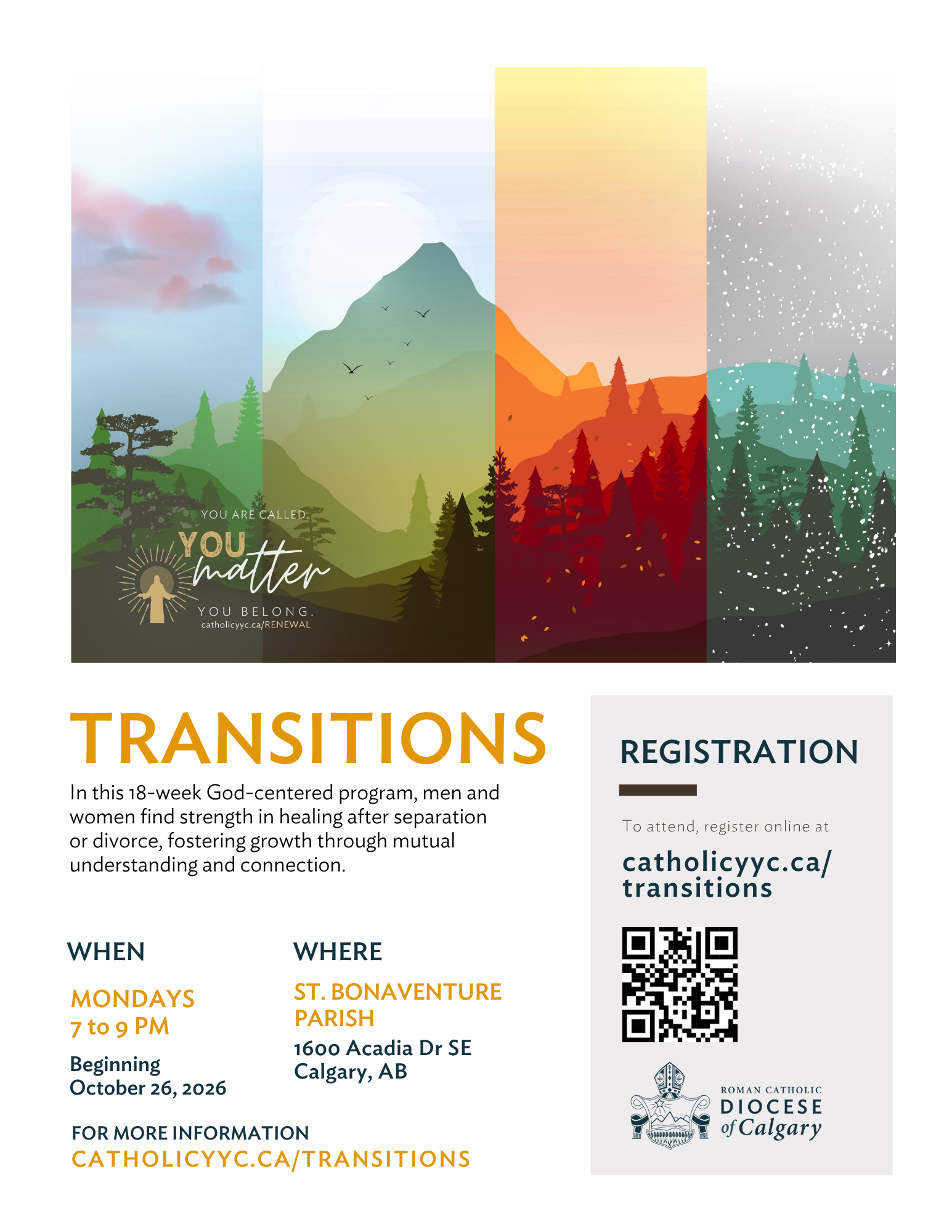
Transitions
An 18 week God-centered program for men and women to find strength in healing after separation or divorce.
Registration is now open
The Diocese is offering this program at no cost. It starts Monday Oct. 26th at St. Bonventure Parish. Meetings will be weekly on Mondays from 7 to pm.

St. Patrick's Mass Times
Weekend Masses
Saturday 5 pm
Sunday 9 am, 11am, 1 pm, 4pm
Saturday 5 pm
Sunday 9 am, 11am, 1 pm, 4pm
Weekday Masses
Tuesday to Saturday 9 am
Tuesday to Saturday 9 am
Reconciliation
Friday Noon to 1 pm
Saturday 3:30 pm to 4:50 pm
Or by appointment
Rosary Devotions
Sunday 8:15 am
Tuesday to Saturday 8:20 am
Adoration
Fridays 9:30 am to Noon
Contact St. Patrick's
Office phone: (403) 254-6878
Sacraments: sacraments@stpatrickcalgary.com
Diocese website: www.catholicyyc.com
All bulletin submissions must be received by Tuesday at Noon
Please send it to communications@stpatrickcalgary.com
St. Patrick's Roman Catholic Church
1414 Shawnessy Blvd. SW
Calgary, AB T2Y 2L7
Office Hours:
Monday: Closed
Tuesday-Friday: 9:30 am to 12:30 pm



